✦ADHD · Aug 2026 · By Santay Shaw-Russell, PMHNP-BC
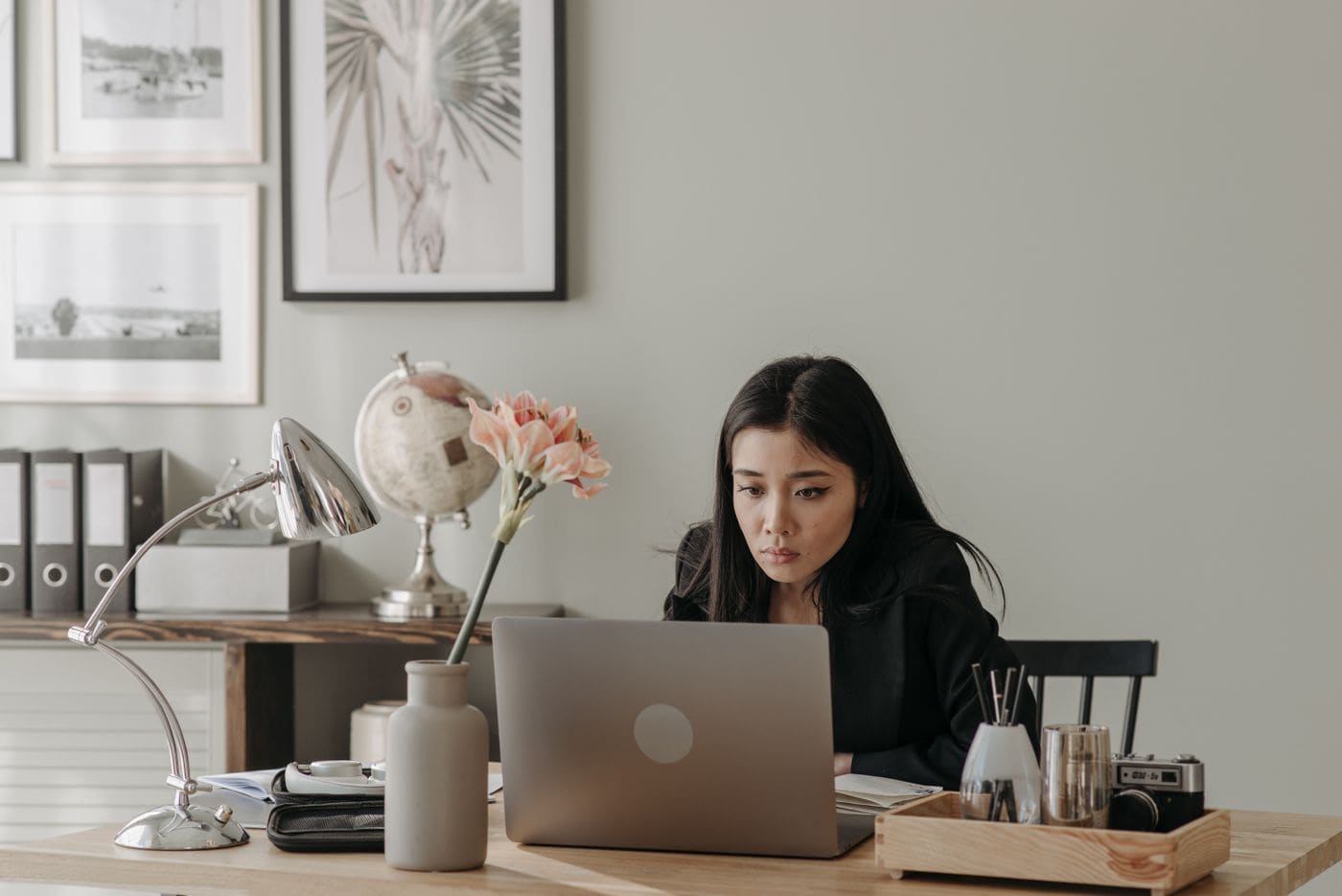
For decades, ADHD was pictured as a hyperactive young boy who couldn't sit still. As a result, many girls and women with ADHD were overlooked — and many reach adulthood believing they're simply disorganized, forgetful or "not trying hard enough."
How ADHD can look different in women
Women are more likely to experience the inattentive side of ADHD: daydreaming, losing track of details, mental restlessness and difficulty following through. Rather than acting out, many develop elaborate coping systems — lists, late nights, perfectionism — to stay afloat.
- Chronic overwhelm and feeling "behind" despite enormous effort
- Strong emotional reactions and sensitivity to criticism
- Procrastination followed by bursts of last-minute productivity
- Anxiety or depression that develops after years of compensating
Why diagnosis matters
Getting an accurate diagnosis can be a relief. It reframes years of self-criticism and opens the door to treatment that actually fits how your brain works. Hormonal changes across the menstrual cycle, pregnancy and perimenopause can also affect symptoms — another reason personalized care matters.
ADHD is highly treatable at any age. Support may include psychiatric treatment, practical strategies and care for co-occurring anxiety or mood symptoms.
Taking the next step
If you recognize yourself here, consider a professional evaluation. A careful assessment looks at your history, rules out look-alike conditions, and helps you decide on the treatment approach that feels right for you.
This article is for general education and isn't a substitute for professional care. If you're in crisis, call or text 988.